Penetration testing is no longer a checkbox exercise. It is a strategic investment that determines whether your organization discovers vulnerabilities before attackers do. These penetration testing statistics for 2026 reveal the current state of the industry, where budgets are flowing, what the most common vulnerabilities are, and why AI-powered testing is rapidly becoming the new standard. Whether you are a CISO building a business case, a security engineer evaluating tools, or a founder deciding on your first pentest, this data tells the story.
Penetration Testing Market Statistics
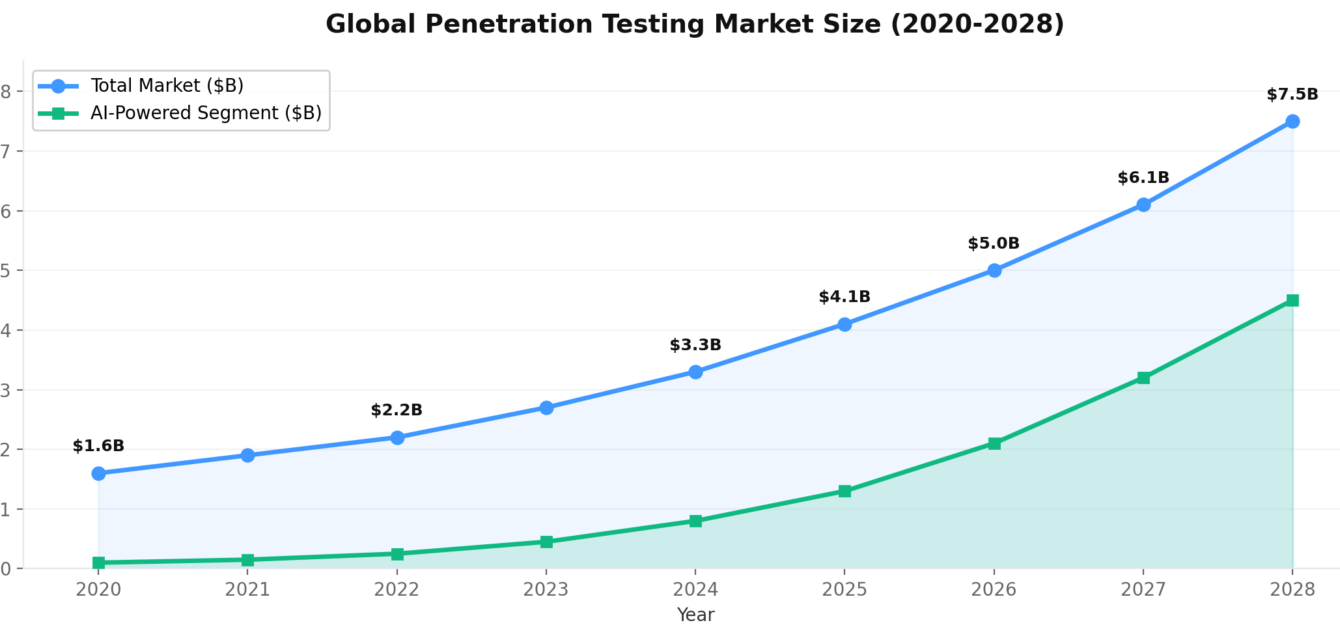
The global penetration testing market has experienced explosive growth over the past five years, driven by escalating cyber threats, tightening regulatory requirements, and the emergence of AI-powered testing platforms.
Market data compiled from industry reports including MarketsandMarkets, Grand View Research, and Mordor Intelligence. AI segment estimates based on vendor disclosures and analyst projections.
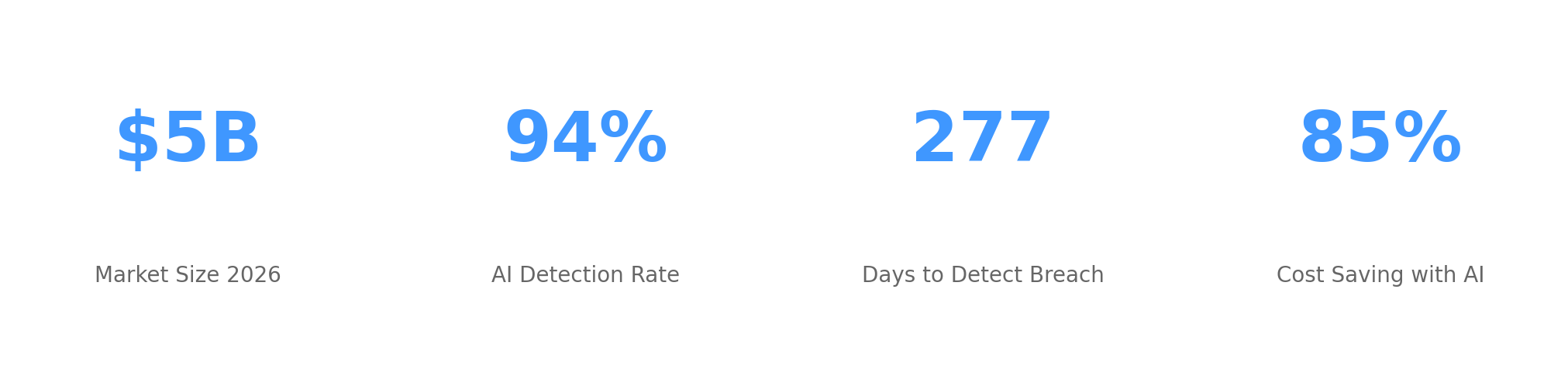
- The global penetration testing market is projected to reach $5 billion in 2026, up from $1.6 billion in 2020
- The AI-powered penetration testing segment is growing at 52 percent CAGR, reaching an estimated $2.1 billion in 2026
- By 2028, AI-powered testing is expected to represent 60 percent of total market revenue
- North America accounts for 42 percent of global pentest spending, followed by Europe at 31 percent
- The average enterprise security budget allocated to penetration testing has increased from 8 percent to 14 percent since 2022
Data Breach Cost Statistics
Understanding what breaches cost your industry puts penetration testing ROI into sharp perspective. Organizations that conduct regular penetration tests reduce their average breach cost by 28 percent compared to those that do not.
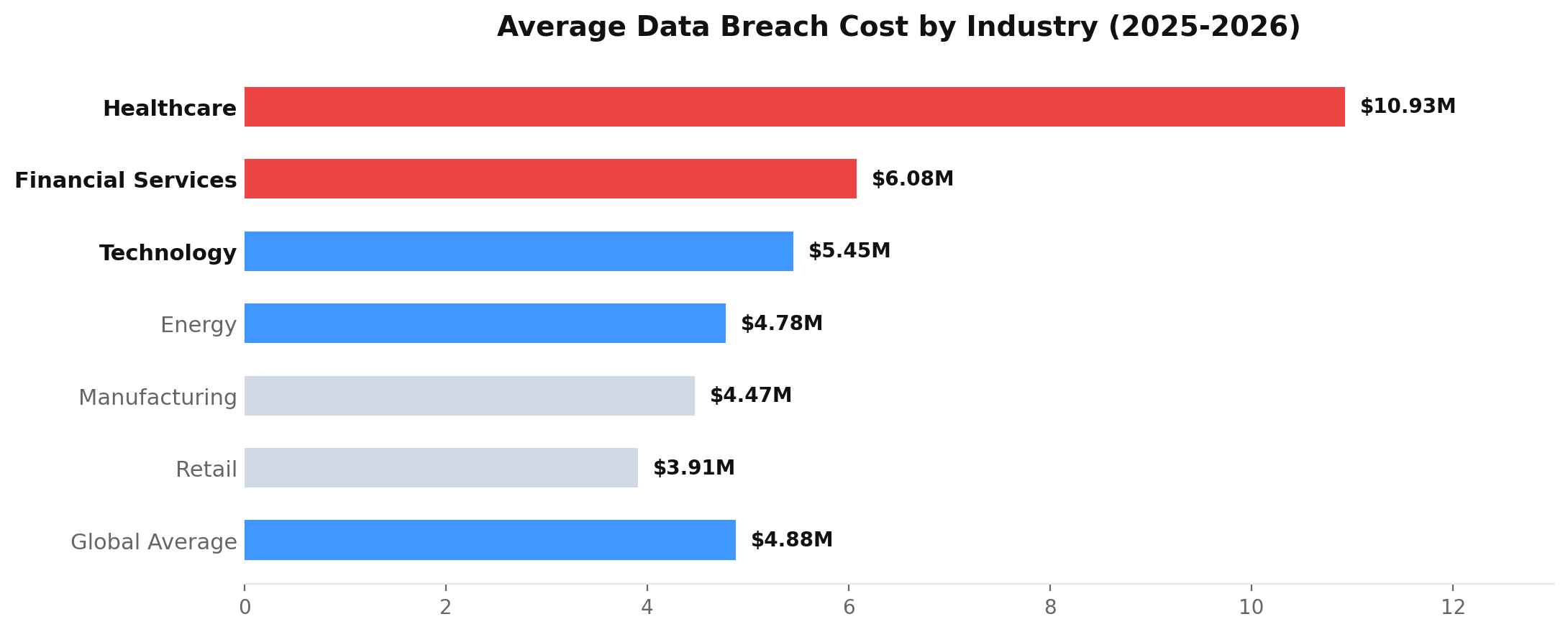
- The global average data breach cost reached $4.88 million in 2025-2026
- Healthcare remains the most expensive industry for breaches at $10.93 million average
- Organizations with regular penetration testing programs detect breaches 74 days faster on average
- The average time to identify and contain a data breach is 277 days without proactive testing
- Companies running quarterly penetration tests experience 41 percent fewer successful attacks
- Every dollar invested in penetration testing saves an estimated $12 in potential breach costs
Penetration Testing Frequency Statistics
How often do organizations actually run penetration tests? The data reveals a significant gap between best practices and reality.
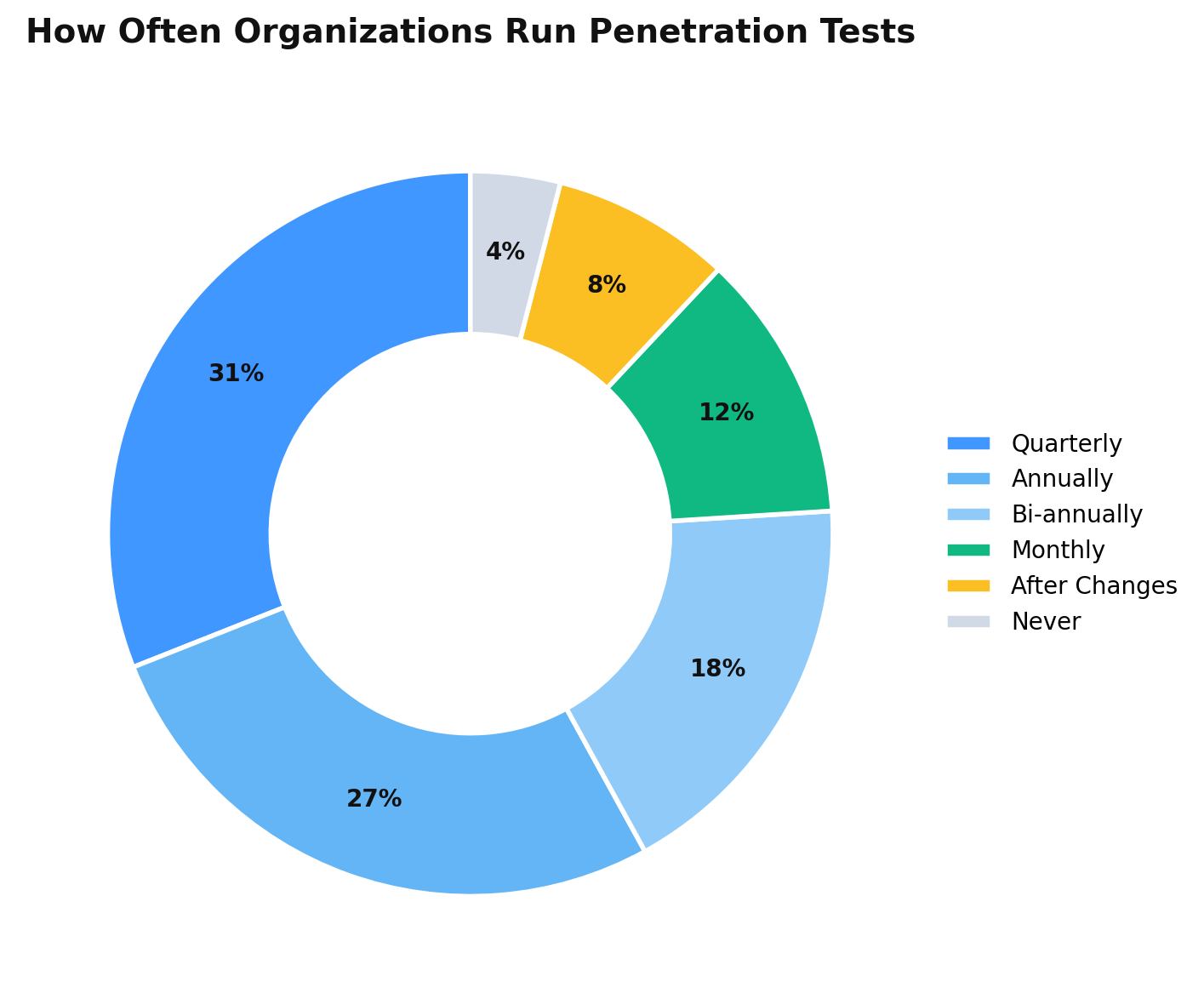
- 31 percent of organizations run penetration tests quarterly (recommended minimum)
- 27 percent test only annually, leaving 9+ months of exposure between assessments
- 4 percent of organizations have never conducted a penetration test
- Organizations testing monthly experience 67 percent fewer critical vulnerabilities in production
- Compliance-driven testing (SOC2, PCI-DSS, ISO 27001) accounts for 58 percent of all pentests
- Regulated industries (finance, healthcare) test 2.3 times more frequently than non-regulated sectors
AI-Powered vs Manual Penetration Testing Statistics
The shift from manual to AI-powered penetration testing is the single biggest transformation in the industry. Here is how they compare across every dimension that matters:
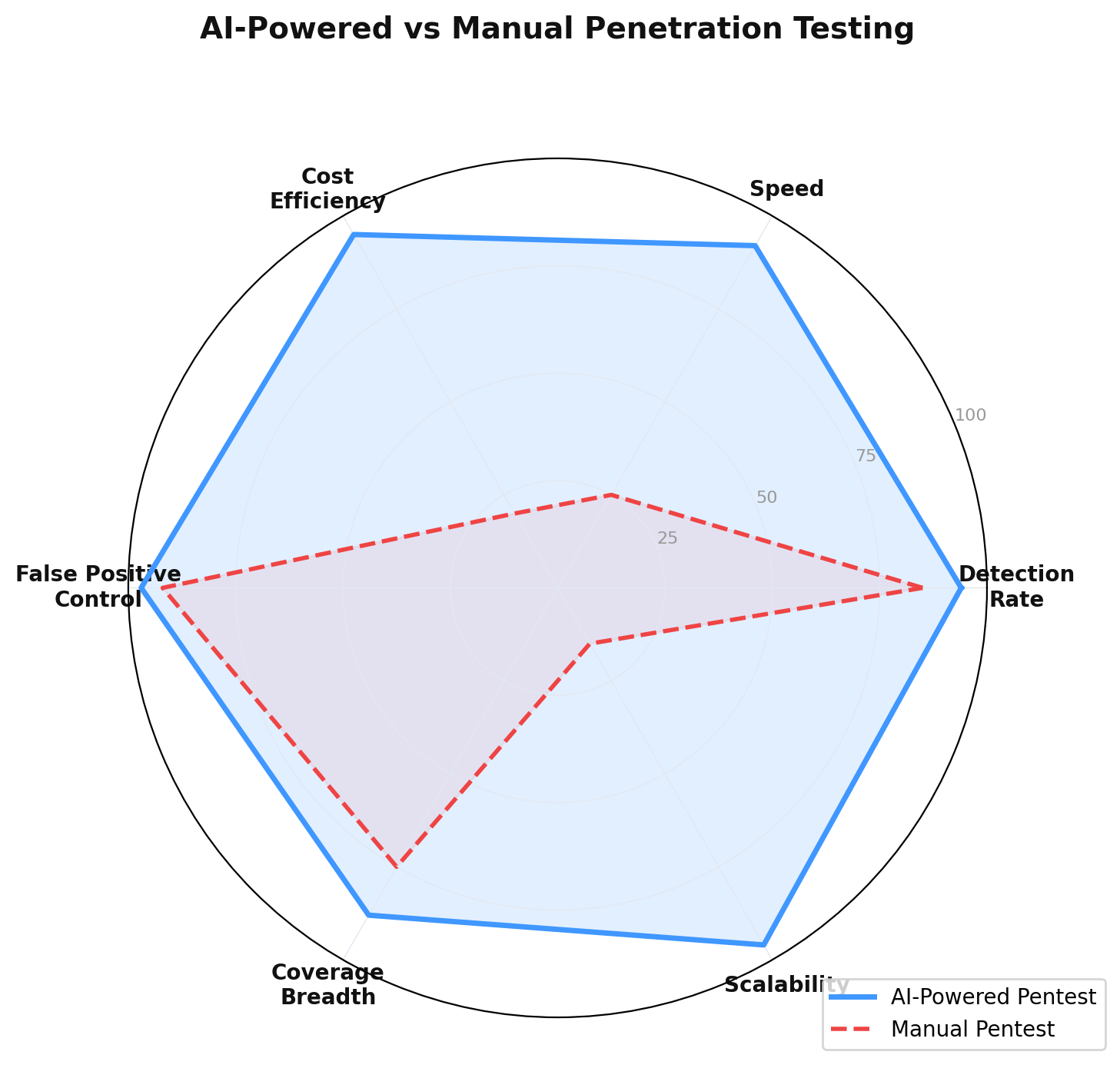
- AI-powered pentesting achieves 94 percent vulnerability detection rate compared to 85 percent for expert manual testers
- AI completes assessments in 3-5 days versus 3-6 weeks for manual engagements
- False positive rates: AI-powered under 3 percent, traditional scanners 35-45 percent
- AI-powered testing costs 75-88 percent less than traditional consulting firm engagements
- Manual pentester shortage: the industry faces a 3.5 million person cybersecurity workforce gap globally
- 68 percent of CISOs surveyed plan to adopt AI-powered pentesting by end of 2027
Most Common Vulnerabilities Found in Penetration Tests
What are pentesters actually finding? The distribution of vulnerability types reveals where organizations remain most exposed:
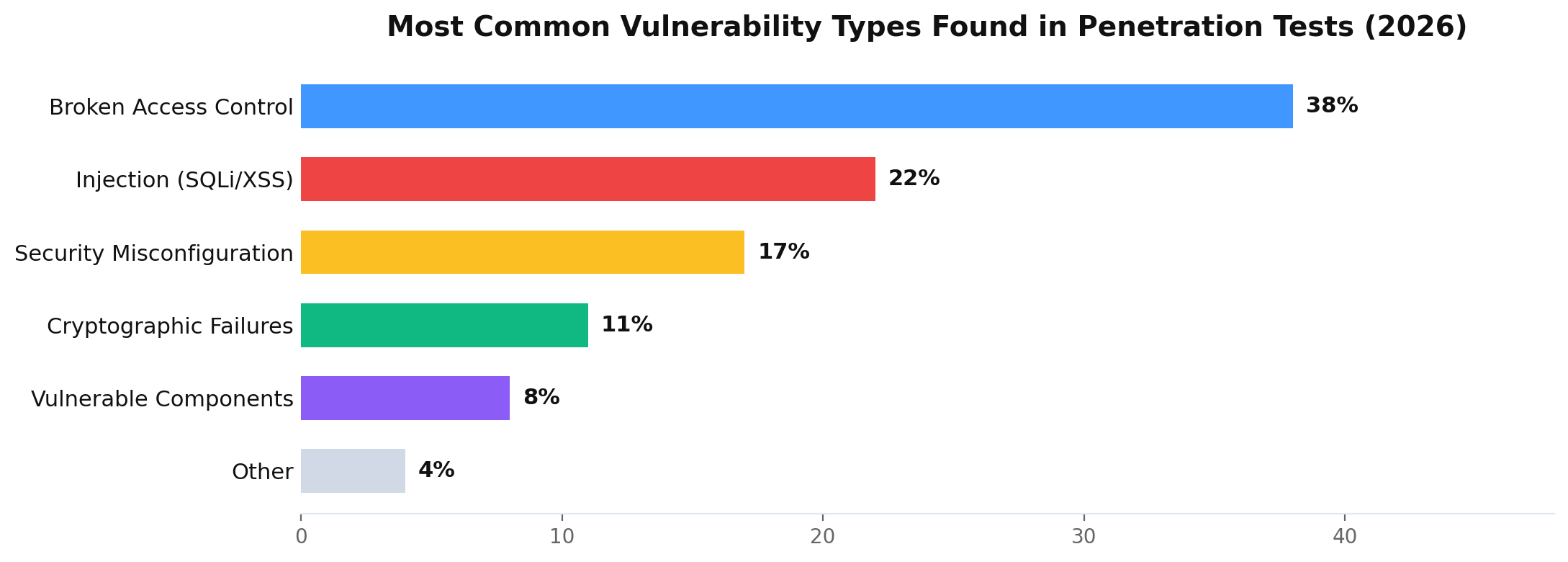
- Broken Access Control remains the number one finding at 38 percent of all pentests, consistent with the OWASP Top 10 ranking
- Injection vulnerabilities (SQL injection, XSS) appear in 22 percent of tests despite being well-understood
- Security misconfiguration accounts for 17 percent, often due to default credentials and exposed admin panels
- 76 percent of organizations have at least one critical or high-severity finding in their first pentest
- The average pentest discovers 12.4 vulnerabilities per application, with 2.3 rated critical or high
- Organizations that remediate and retest reduce their vulnerability count by 64 percent within 6 months
Penetration Testing Cost Statistics
Budget is one of the most common barriers to regular penetration testing. AI-powered platforms are fundamentally changing the cost equation:
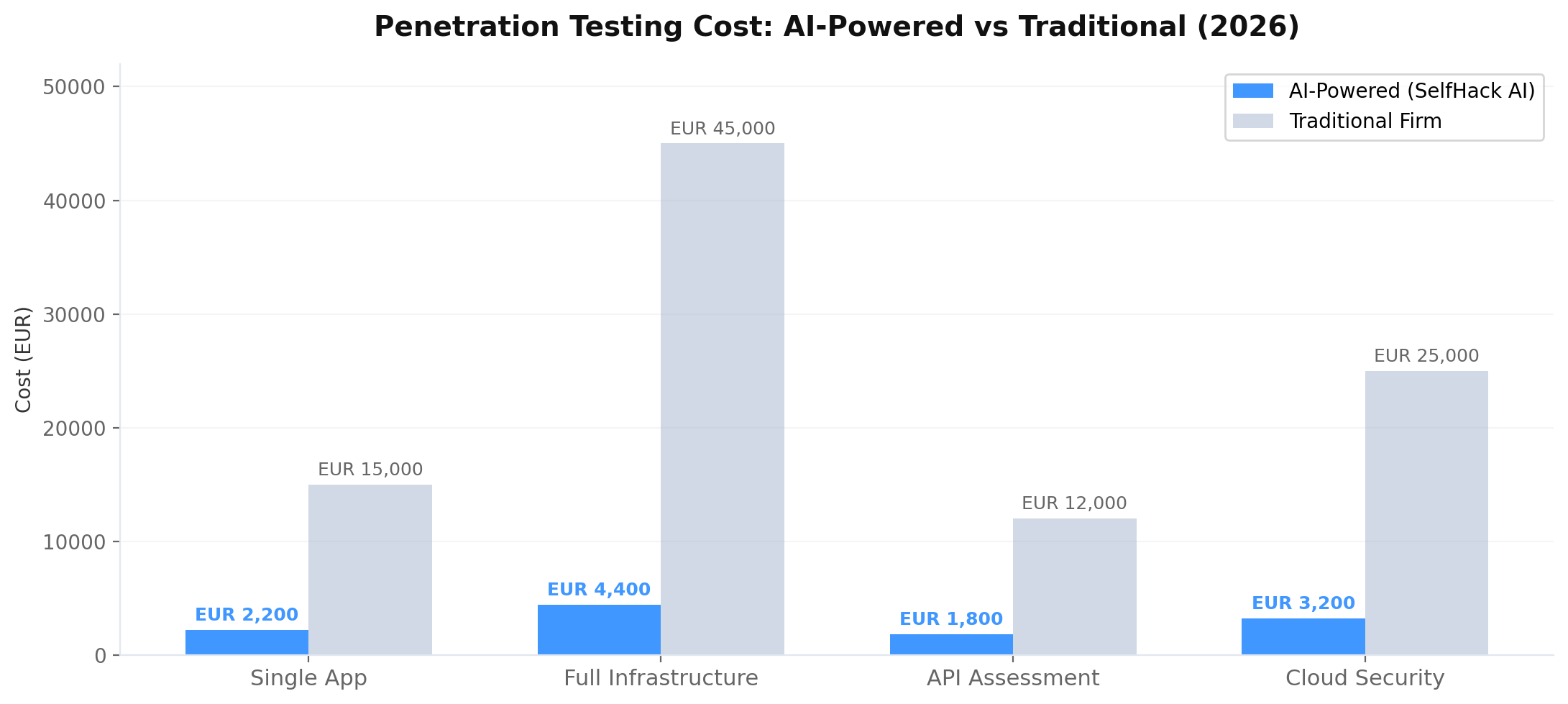
Pricing based on market averages. SelfHack AI pricing from selfhack.ai as of Q1 2026. Traditional firm pricing based on industry surveys.
- Average cost of a single-application pentest from a traditional firm: EUR 15,000
- Average cost of AI-powered pentest (e.g., SelfHack AI): EUR 2,200
- Full infrastructure assessment: EUR 4,400 (AI) vs EUR 45,000 (traditional) — a 90 percent reduction
- Big 4 consulting firms (Deloitte, PwC, EY, KPMG) charge EUR 35,000-100,000+ for comprehensive engagements
- Organizations spend an average of $186,000 annually on penetration testing
- SMBs that switched to AI-powered testing reported 78 percent average cost savings
Key Takeaways for Security Leaders
These penetration testing statistics paint a clear picture of where the industry is heading. The organizations that thrive will be those that:
- Increase testing frequency from annual to at least quarterly, matching the 31 percent of leaders already doing so
- Adopt AI-powered testing to close the detection gap while reducing costs by 75-88 percent
- Prioritize access control testing, since broken access control appears in 38 percent of all pentests
- Measure pentest ROI against breach cost data — at $4.88M average breach cost, even a single prevented incident justifies years of testing
- Close the remediation loop — organizations that retest after fixes reduce vulnerabilities by 64 percent
SelfHack AI delivers AI-powered penetration testing that addresses every challenge these statistics reveal: 94 percent detection rate, under 3 percent false positives, 3-day delivery, and pricing starting at EUR 2,200. Get started with SelfHack AI and join the 68 percent of CISOs who are moving to AI-powered security testing.