
SMEs, Cyber Threats Don’t Care About Your Size
SME cybersecurity gaps are growing and cybercriminals are paying attention. Today’s attackers know that small and mid-sized enterprises (SMEs) often lack the resources for robust defense. From outdated pentesting to misconfigured networks, many SMEs face hidden vulnerabilities that can lead to serious breaches. In this post, we’ll uncover 5 critical SME cybersecurity gaps you might be overlooking and how to fix them before they become a costly mistake.
Many SMEs believe basic antivirus software or cloud-based tools are “secure enough.” But as digital infrastructure grows, so does the attack surface. From remote work setups to third-party integrations, network vulnerabilities are creeping in unnoticed, and traditional pentesting methods can’t keep up.
Let’s explore 5 critical cybersecurity gaps that SMEs often miss, and what you can do to fix them before it’s too late.
1. Outdated or Infrequent Pentesting
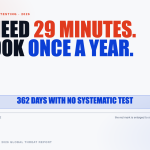
The Problem: Pentesting Once a Year Isn’t Cutting It
Many SMEs treat penetration testing as a one-off project usually linked to compliance deadlines or insurance requirements. This means vulnerabilities might sit undiscovered for months.
Example: A SaaS company ran its annual pentest in Q1 but adopted a new API integration in Q2. A misconfigured endpoint went undetected until a breach in Q4.
How Selfhack AI Helps
Selfhack AI offers continuous, AI-driven pentesting that detects vulnerabilities as they emerge. It doesn’t wait for a yearly audit it adapts in real time to your changing infrastructure.
2. Neglected Network Vulnerabilities
The Problem: Internal Networks Often Fly Under the Radar
Your external-facing assets may be protected, but internal systems local servers, employee devices, legacy databases are often less monitored. Attackers know this.
Stat: According to Verizon’s Data Breach Investigations Report, 62% of breaches involved internal network weaknesses often due to overlooked device access or weak segmentation.
How Selfhack AI Helps
Our platform scans both internal and external networks, identifying risks in configuration, access control, and privilege escalation before attackers can.
3. Third-Party and Supply Chain Risk
The Problem: You’re Only as Secure as Your Vendors
Many SMEs use third-party apps, cloud platforms, or outsourced IT providers. Each one can introduce security blind spots from outdated libraries to insecure data sharing.
Real Case: In 2021, a small marketing firm lost client data due to a breach in a subcontracted analytics tool. The breach didn’t hit them directly but the fallout did.
How Selfhack AI Helps
Selfhack AI includes supply chain and external dependency scanning, flagging risks from third-party integrations. It gives you visibility where most tools don’t.
4. Lack of Employee Security Awareness
The Problem: Your Staff May Be Your Weakest Link
Phishing remains one of the most effective attack vectors—because it targets human error. If your employees aren’t trained to spot suspicious links, downloads, or social engineering tactics, you’re vulnerable.
Insight: 91% of successful cyberattacks start with a phishing email (source: CSO Online).
How Selfhack AI Helps :
While our focus is on AI-powered testing, we partner with awareness platforms and offer insights into user behavior patterns and exposed credentials that may indicate compromised accounts.
5. No Real-Time Visibility into Risks
The Problem: Static Reports Don’t Reflect a Dynamic Threat Landscape
Traditional cybersecurity tools generate PDFs and dashboards that quickly become outdated. For fast-moving SMEs, this means flying blind between reports.
How Selfhack AI Helps
Our platform provides live dashboards and alerts. When a new vulnerability arises say, a misconfigured port or outdated dependency you see it in real time and can act immediately.
Final Thoughts: Don’t Let These Gaps Define Your Risk

Ignoring these 5 cybersecurity gaps could mean the difference between business as usual and a full-blown crisis. The good news? Modern tools like Selfhack AI are built to adapt, scale, and simplify security for growing businesses like yours.
👉 Start securing your SME with smarter, AI-powered pentesting.
Explore the Selfhack AI platform or book a free consultation today.