
Real Stories: What We Learned from 100+ AI-Led Penetration Tests
In cybersecurity, there’s one truth every decision-maker must face: no system is ever truly safe. Through 100+ AI-led pentests, we’ve seen firsthand how even well-protected systems can harbor hidden vulnerabilities—firewalls, antivirus software, and access controls can only do so much. That’s why more companies are turning to AI-led ethical hacking to identify weaknesses before attackers do.
At Selfhack AI, we’ve conducted these AI-powered pentests across industries—from finance and healthcare to tech startups and public institutions. The findings? Startling, yet enlightening. Today, we’re sharing what we’ve learned, what keeps businesses at risk, and how AI security tools are transforming the way we think about cyber defense.
The Problem with Traditional Pentests
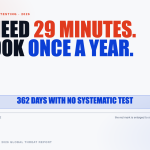
One Snapshot in a Rapidly Changing Threat Landscape
Traditional penetration testing is often:
- Time-consuming
- Performed once or twice a year
- Dependent on individual consultants
- Reactive rather than proactive
While these assessments are valuable, they’re a snapshot in time, not a living security posture. By the time a report is finalized, new vulnerabilities may already have emerged.
Why AI-Led Pentesting Changes the Game
Ethical Hacking at Machine Speed
With AI security tools, pentesting is no longer bound by human bandwidth. Our AI engines mimic ethical hackers, but with:
- Faster execution of complex tasks like recon, enumeration, and exploitation
- Consistent testing patterns across systems and environments
- Real-time insights as threats evolve
This shift allows organizations to move from reactive defenses to continuous, proactive assessments.
What We Learned from 100+ Pentest Case Studies
Pattern 1: Misconfigured Access Controls Were Everywhere
Over 60% of our AI-led tests uncovered over-permissive access, often due to rushed role setups or outdated employee privileges.
Example:
A SaaS client thought their dev environment was secure. Our AI pentest found that outdated tokens allowed full admin access—without MFA. A real attacker could have exfiltrated sensitive customer data in minutes.
Pattern 2: Shadow IT Is Still a Major Blind Spot
Unmonitored third-party apps and services created entry points in 40% of cases. These often went unnoticed by in-house teams.
Example:
One e-commerce company integrated a marketing automation tool without vetting it. Our AI engine flagged it communicating over insecure channels—a silent risk until it wasn’t.
Pattern 3: Patching Isn’t as Routine as It Should Be
In 55% of cases, we found exploitable known vulnerabilities in systems that hadn’t been patched in over 90 days.
Example:
An HR tech provider skipped patching due to “update breaks.” Our AI ethical hacking tools exploited CVE-2022-1388—showing how fast attackers could get shell access to internal servers.
How Selfhack AI Helps Businesses Stay Ahead

Selfhack AI combines the intelligence of ethical hacking with the scale and speed of AI security tools. Here’s what makes us different:
- Automated reconnaissance and exploitation that works while you sleep
- Detailed, developer-ready remediation reports
- Repeatable, affordable pentests that don’t break the budget
- Custom threat modeling to align with your unique infrastructure
Whether you’re a CISO looking to strengthen cloud posture or an IT Manager stretched thin, our platform enables you to act fast and reduce real-world risks—before attackers do.
Conclusion: Move from Guesswork to Confidence
Cybersecurity is no longer just about defense—it’s about resilience, visibility, and readiness. AI-led penetration testing is helping companies move from reacting to breaches to preventing them in the first place.Ready to see what vulnerabilities your systems may be hiding?
Explore Selfhack AI’s platform or book a free consultation today.